How a Healthy Gut Supports Natural GLP-1 Production—and Why Probiotics Matter
In recent years, GLP-1 has become a buzzword in health and wellness circles—and for good reason. This powerful hormone plays a key role in regulating blood sugar, appetite, and metabolism. While medications that mimic GLP-1 have gained popularity, what many people don’t realize is that your body is already equipped to produce it naturally. The secret lies in your gut.
What Is GLP-1 and Why Does It Matter?
GLP-1 (glucagon-like peptide-1) is a hormone released in the gut after you eat. It helps:
- Stimulate insulin release
- Lower blood sugar levels
- Slow down digestion
- Increase feelings of fullness
In short, GLP-1 is a major player in metabolic health and weight regulation. But its production depends heavily on the condition of your gut.
The Gut: Your Hormone Control Center
Your gut is more than just a digestive organ—it’s a complex ecosystem made up of trillions of microorganisms, collectively known as the gut microbiome. These microbes interact directly with your body’s systems, including hormone production.
Specialized cells in your intestines, called L-cells, are responsible for producing GLP-1. These cells respond to signals from nutrients and gut bacteria. When your gut is healthy and balanced, these signals are strong and efficient, leading to optimal GLP-1 release.
However, when the gut is inflamed or imbalanced (a condition known as dysbiosis), GLP-1 production can be impaired. This can contribute to issues like poor blood sugar control, increased hunger, and weight gain.
How a Healthy Gut Boosts Natural GLP-1
A well-functioning gut supports GLP-1 production in several ways:
1. Fermentation of Fiber
Beneficial gut bacteria break down dietary fiber into short-chain fatty acids (SCFAs), such as butyrate and propionate. These compounds directly stimulate L-cells to release GLP-1.
2. Reduced Inflammation
A balanced microbiome helps maintain the gut lining and reduces inflammation. Chronic inflammation can disrupt hormone signaling, including GLP-1 secretion.
3. Improved Nutrient Sensing
Healthy gut bacteria enhance the gut’s ability to detect nutrients, which is essential for triggering GLP-1 release after meals.
The Role of Probiotics
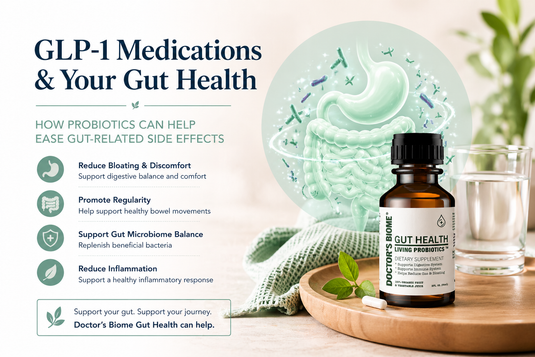
Probiotics—living beneficial bacteria—are one of the most effective ways to support gut health and, by extension, natural GLP-1 production.
What Probiotics Do
- Restore balance in the gut microbiome
- Increase populations of beneficial bacteria
- Support digestion and nutrient absorption
- Reduce harmful bacteria and inflammation
Certain strains of probiotics have been shown to enhance the production of SCFAs, which, as mentioned earlier, are key drivers of GLP-1 release.
Probiotics and Appetite Control
By supporting GLP-1 production, probiotics may indirectly help regulate appetite and reduce cravings. This creates a natural pathway for weight management—without relying solely on medications.
Beyond Probiotics: Supporting Your Gut Holistically
While probiotics are important, they work best as part of a broader gut-health strategy:
- Eat more fiber-rich foods (vegetables, fruits, whole grains, legumes)
- Limit processed foods and added sugars
- Manage stress, which directly impacts gut health
- Get enough sleep, as it influences the microbiome
Final Thoughts
Your body is designed to regulate itself—and your gut plays a central role in that process. By nurturing a healthy microbiome, you’re not just improving digestion—you’re actively supporting the natural production of hormones like GLP-1 that keep your metabolism, appetite, and blood sugar in balance.
Probiotics are a powerful tool in this process, but they’re most effective when combined with a healthy lifestyle. Instead of looking for quick fixes, focusing on gut health offers a sustainable, natural way to optimize your body from the inside out.
Your gut isn’t just about digestion—it’s the foundation of your overall health.