In recent years, GLP-1 receptor agonists have gained widespread attention for their effectiveness in supporting weight loss and managing blood sugar levels. Medications like Ozempic and Wegovy are helping millions of people improve their metabolic health. However, alongside their benefits, many users experience an often-overlooked challenge: gastrointestinal side effects.
If you’re taking a GLP-1 medication, understanding what’s happening in your gut—and how to support it—can make a meaningful difference in your overall experience.
Why GLP-1 Medications Affect the Gut
GLP-1 medications work by mimicking a natural hormone that slows gastric emptying, helping you feel fuller for longer and reducing appetite. While this mechanism is effective for weight management, it can also disrupt normal digestive rhythms.
Common gut-related side effects include:
- Bloating
- Nausea
- Constipation
- Diarrhea
- Abdominal discomfort
These symptoms often occur because food moves more slowly through the digestive tract, which can alter the balance of bacteria in the gut microbiome.
The Gut Microbiome Connection
Your gut microbiome is a complex ecosystem of trillions of bacteria that play a crucial role in digestion, immunity, and overall health. When digestion slows down—as it does with GLP-1 medications—the balance of these bacteria can shift.
This imbalance may:
- Increase gas production (leading to bloating)
- Affect stool consistency
- Contribute to inflammation in the gut
Supporting your microbiome during this time is key to minimizing discomfort and maintaining digestive health.
How Probiotics Can Help
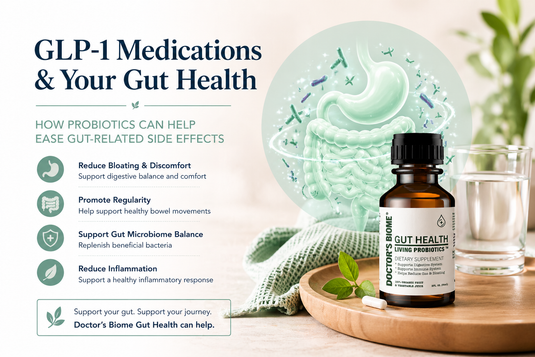
Probiotics are beneficial bacteria that help restore and maintain balance in the gut. For individuals taking GLP-1 medications, probiotics can offer targeted support in several ways:
1. Improved Digestive Comfort
Probiotics can help regulate digestion, reducing symptoms like bloating and irregular bowel movements.
2. Enhanced Microbial Balance
They replenish beneficial bacteria that may be disrupted by slower digestion.
3. Reduced Inflammation
Certain probiotic strains are known to support a healthy inflammatory response in the gut.
4. Better Nutrient Absorption
A balanced microbiome helps your body more effectively absorb nutrients, even when digestion is slowed.
Choosing the Right Probiotic
Not all probiotics are created equal. When selecting a probiotic supplement—especially while taking GLP-1 medications—look for:
- Clinically studied strains
- A diverse blend of beneficial bacteria
- Formulations designed specifically for digestive support
- Liquid Living probiotics that survive
Consistency is also key. Taking probiotics daily allows beneficial bacteria to establish and maintain balance over time.
Supporting Your Gut Holistically
In addition to probiotics, you can further support your digestive health by:
- Staying well hydrated
- Eating fiber-rich foods (as tolerated)
- Incorporating fermented foods like yogurt, kefir, or sauerkraut
- Eating smaller, more frequent meals
- Listening to your body and adjusting your diet accordingly
The Bottom Line
GLP-1 medications can be transformative for metabolic health, but their impact on digestion shouldn’t be ignored. Supporting your gut microbiome is an essential part of feeling your best while on these medications.
That’s where Doctor’s Biome Gut Health comes in. Formulated with carefully selected probiotic strains designed to support digestive balance, it can help ease common gut-related side effects associated with GLP-1 use—so you can stay consistent with your health journey and feel more comfortable along the way.